Fishing Waders and Wading Boots
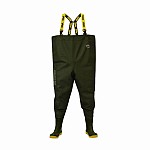
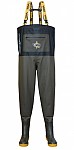
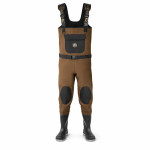
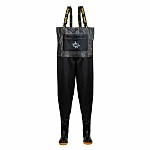
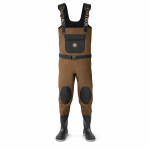
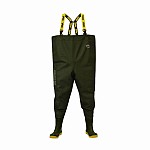
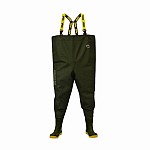
- With
- 6
Fishing waders for going where the bank ends
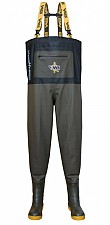
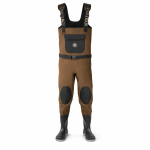
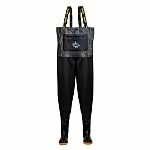
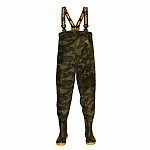
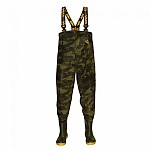
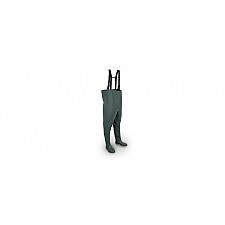
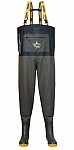
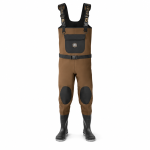
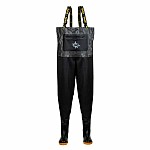
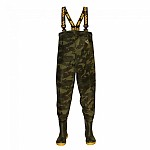
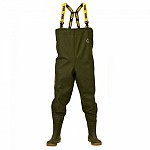
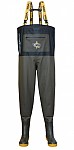
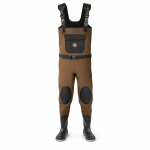
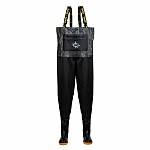
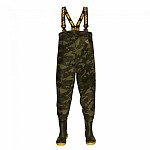
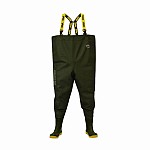
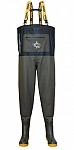
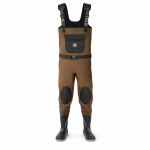
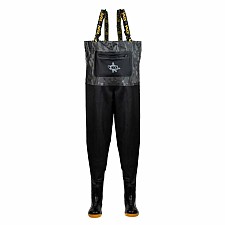
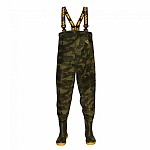
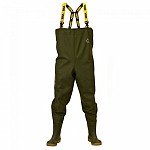
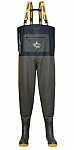
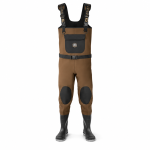
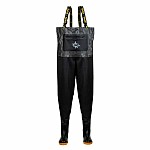
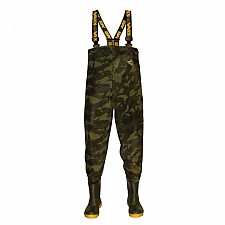
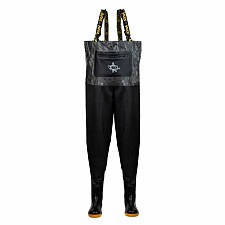
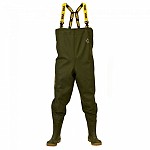
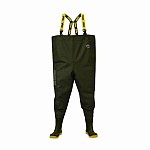
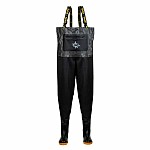
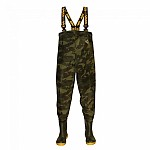
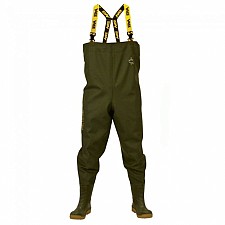
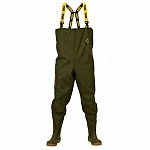
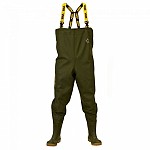
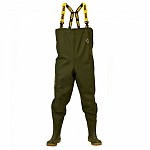
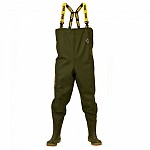
Fishing waders allow you to enter the water without soaking your clothing and footwear. They are useful when landing a fish, freeing a rig from marginal snags, launching an inflatable boat, and moving around flooded or waterlogged areas of the fishery. This category primarily includes chest waders with integrated boots, also known as fishing wader boots.
Carp anglers use them most often in situations where standard wellington boots are too low. However, carp waders are not intended exclusively for carp fishing. Depending on their construction, they can also be used by feeder anglers, lure anglers and people working in shallow water.
PVC or neoprene – the choice depends on the temperature
PVC wader boots are water-resistant, easy to clean of mud and perform well during warmer months. However, the material itself provides limited insulation from the cold. When fishing in lower temperatures, the clothing worn underneath the waders becomes more important, including properly fitted thermal underwear for anglers.
Neoprene waders reduce heat loss more effectively, which is why they are more often chosen for autumn and winter sessions. At the same time, they are thicker and less versatile in high temperatures. The range also includes designs combining different materials, so before purchasing, check the specifications of the particular model rather than relying solely on its appearance.
Cut and sole are more important than camouflage
Well-fitted waders should not excessively restrict movement when bending down, kneeling or climbing a steep bank. In addition to the size of the integrated boot, the chest, waist and thigh circumference should be considered. For those who need more room, wider-cut models are available, while adjustable braces allow the height of the waders to be matched to the wearer’s body shape.
The sole construction is also important. Its tread should be suited to the type of bottom and bank the angler will be moving on. However, no sole guarantees full protection against slipping on silt, wet stones or submerged branches. If entering the water is not necessary, standard fishing boots may be a more comfortable option.
Waders do not replace safety equipment
Wader boots protect against water, but they do not prevent loss of balance or falling into deep water. Before entering, assess the depth, bottom type and any current. When working around an inflatable boat or moving through more difficult areas, it is also worth using an angler safety vest. Particular caution is required after dark and when the lakebed has not been properly assessed.