Raw Fishing Seeds
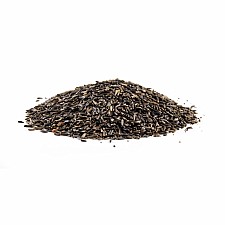
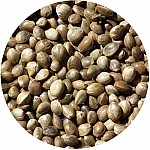
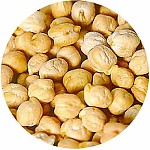
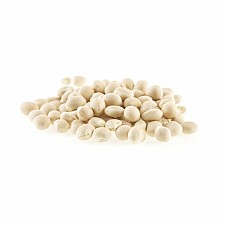
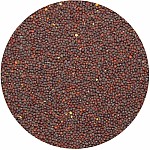
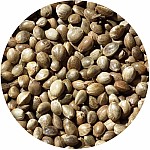
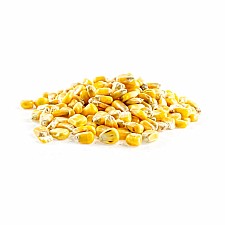
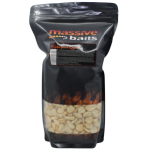
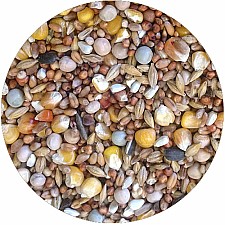
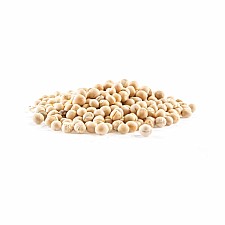
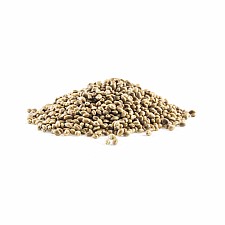
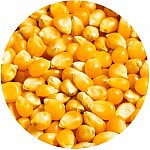
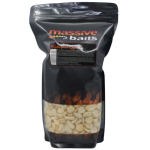
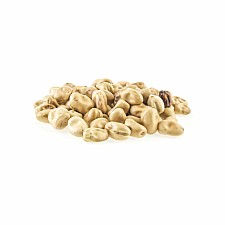
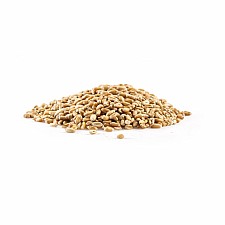
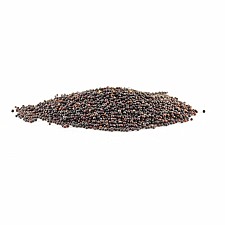
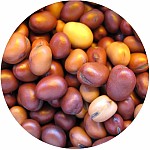
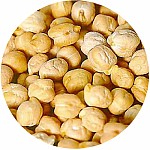
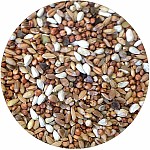
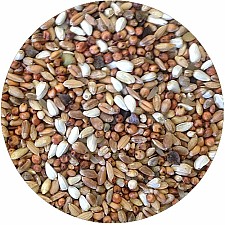
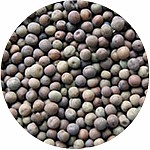
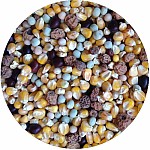
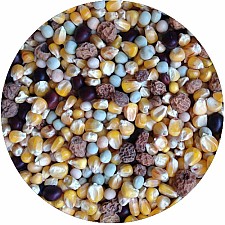
Raw Fishing Grains
Raw grains have always been the foundation of the most effective baiting, especially when targeting carp and grass carp. Their naturalness, simplicity, and versatility in preparation provide an advantage that ready-made products can't match. Both raw fishing grains and raw tiger nuts allow anglers to create mixes precisely tailored to the fishing spot conditions, season, and individual fishing strategy. They are also the most economical choice—making them popular among both beginners and experienced carp anglers.
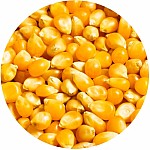
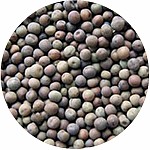
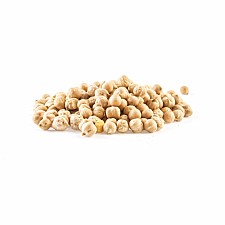
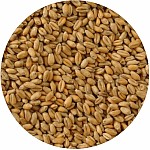
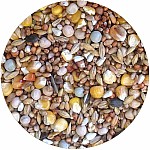
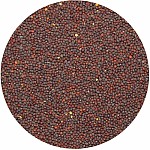
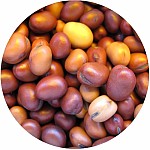
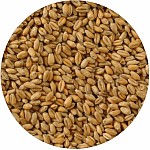
This subcategory includes all raw grains that require preparation before use: corn, wheat, lupine, broad bean, pea, hemp, sweet clover, and chickpea. Available both as single-ingredient products and as mixes combining various sizes, colors, and types of grains. Weights range from 700 g to 25 kg sacks, allowing you to choose the right amount for short or multi-day sessions.
Why are raw grains still the most effective bait?
Carp and grass carp feed on both small fauna and flora, including plants found in their natural environment. Because grains are a natural product, they usually don't raise the fish's suspicion and perform well in heavily pressured waters where carp avoid boilies or fishing pellet.
An additional advantage is the ability to create your own compositions. Grains can be freely mixed, ground, flavored, fermented, and dyed—making every bait unique and "yours." This is a huge advantage over ready-made products with fixed recipes that don’t allow as much experimentation.
Preparing raw grains—the key to their effectiveness
Although raw grains are natural and economical, they require proper preparation to ensure they are safe and attractive to fish. This process is simple but based on several fundamental principles.
Soaking—the first step
Grains should be soaked for anywhere from several hours up to 48 hours.
Examples:
- hemp – just a few hours of soaking,
- wheat – 6–12 hours,
- corn – up to 1–2 days,
- broad bean – similar to corn, requires long soaking.
Soaked grains cook faster and soften evenly during the cooking process.
Cooking—different times for different grains
After soaking, grains should be cooked:
- hemp and wheat: about 30–45 minutes,
- sweet clover and chickpea: about 45–60 minutes,
- pea and lupine: 1 to 2 hours,
- corn and broad bean: 1–2 hours, depending on soaking time.
Undercooked grains can be hard to digest and, in extreme cases, dangerous for fish—especially in cold water. It's better to overcook than undercook—overcooked, cracked grains release attractants more quickly in the water and are easily taken even by smaller coarse fish, yet remain completely safe for them.
Fermentation and flavoring—full freedom for the angler
After soaking or cooking, natural fermentation processes can begin, which enhance the aroma and attractiveness of the bait. Grains can also be flavored:
- during thermal processing,
- immediately after cooking and draining,
- on the spot just before throwing the grains into the water.
This stage often determines the uniqueness of the bait. Most often, flavoring is done using liquid fishing boosters, less frequently with powdered aromas.
Applications of grains in carp fishing
Grains are primarily used for large-scale baiting but also work excellently as an ingredient in:
- spod mixes,
- loose bait mixes,
- mixes with pellets,
- mixes with boilies,
- homemade boilie recipes.
This is one of the best baiting methods for large carp and grass carp—these fish love corn, lupine, hemp, and wheat in almost any form. Depending on the grain chosen, it can also attract other species of coarse fish, which often helps boost activity in the fishing area, further attracting interested carp.
Raw grains vs. ready-made products—full control and economy
Compared to ready-made grains, raw grains give you full control over every step of preparation. You can create bait exactly suited to your fishing spot. They are also much cheaper—hence many carp anglers use them in large quantities for long-term and intensive baiting.
Key advantages of raw grains include:
- very low price per kilogram of bait,
- ability to prepare according to fishing conditions,
- possibility to create your own mixes,
- larger quantity for a lower price,
- full control over aromas, fermentation, and consistency.
Many carp anglers consider preparing their own grains an integral part of their passion—a part that gives satisfaction and directly impacts results.
FAQ — Frequently Asked Questions
How to prepare raw grains for carp?
First, soak them (from a few to several dozen hours), then cook until soft. Cooking time depends on the type of grain.
Do you have to cook corn for fishing?
Yes. Raw corn is hard and hard to digest, so it must be cooked to be safe for fish.
How long should lupine be cooked for fishing?
Lupine requires long soaking and cooking—up to 2 hours until soft and easily digestible.
Are all raw fishing grains prepared the same way?
The rule is similar—soak, cook, optionally ferment. Soaking and cooking times depend on the grain type.
Do all raw fishing grains need soaking before cooking?
Usually yes, although grains like hemp or sweet clover can be cooked without soaking; however, this will lengthen the cooking time.
How to tell if the fishing grain is properly cooked?
Properly prepared fishing grains can vary by type. Most commonly used in carp fishing, such as corn, should be soft and easy to crush with fingers but not completely falling apart. Hemp should turn very dark and "sprout" a white shoot. For sweet clover, proper cooking is easiest to recognize by its color changing to burgundy and soft yellow flesh inside.
Can grains be cooked without prior soaking?
Yes, but the cooking process takes much longer and some grains may cook unevenly.
Can cooked grains be stored for several days?
Yes, provided they are kept in a sealed container in a cool place. You can also extend their usability significantly by heavily salting the grains.
Can raw grains be flavored after preparation?
Yes—that's a good time to add boosters, molasses, or natural attractors.
Can all fishing grains be cooked together?
Only those with similar cooking times (e.g., hemp with wheat). Corn and sweet clover require separate preparation.
Are raw grains suitable for winter fishing?
Yes, but they should be very soft and offered in smaller quantities since fish digest food more slowly. It's also advisable to use easily digestible grains. Hemp is an ideal grain for winter fishing.
Are ground raw grains good for spod mixes?
Yes—they are a great addition to loose mixes and enhance their activity on the bottom.
